
Food Assistance Program
The Food Assistance Program supports refugees, immigrants, asylees, and low-income families facing food insecurity, emergency food needs, and barriers to long-term nutrition stability.
Many families served by Global Refugee Solutions are working toward stability while facing high housing costs, limited income, language barriers, transportation challenges, and unfamiliar public benefit systems. For newly arrived families, older adults, individuals with disabilities, and households experiencing crisis, access to reliable and culturally appropriate food can be one of the first steps toward safety, health, and long-term independence.
Through emergency food referrals, benefits navigation, interpretation support, and trusted community partnerships, GRS helps families access the resources they need while building a stronger path toward stability.
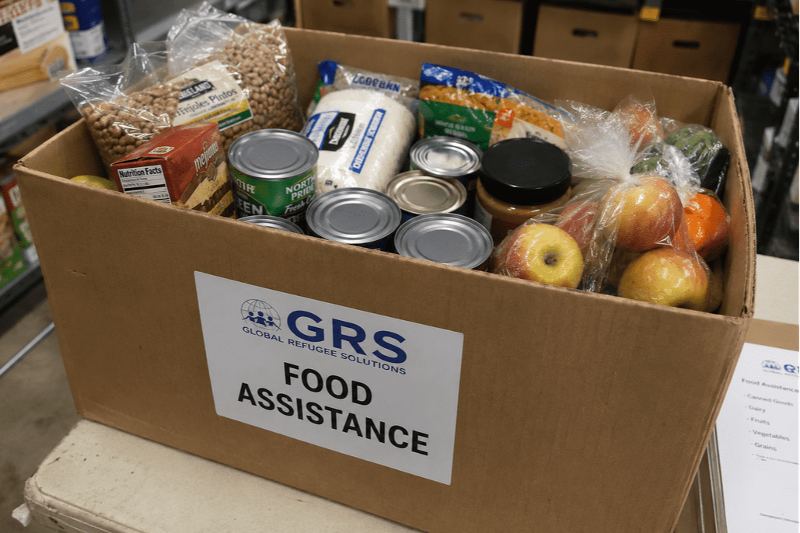
FOOD ASSISTANCE PROGRAM OFFERS:
1. Emergency Food Access
- Connecting individuals and families to food pantries, mobile food distributions, hot meal sites, and emergency grocery resources
- Helping families facing immediate food shortages access same-week support when available
- Coordinating referrals for households experiencing crisis, job loss, housing instability, or sudden financial hardship
2. SNAP, WIC, and Public Benefits Navigation
- Assisting eligible families with SNAP applications, recertifications, and benefit-related questions
- Helping parents and caregivers understand WIC eligibility and available nutrition benefits for children and pregnant or postpartum mothers
- Supporting families with required documents, online applications, language barriers, and follow-up steps
3. Culturally and Dietary Responsive Food Support
- Connecting families to culturally appropriate food resources when available, including staple foods, halal options, and dietary-specific items
- Helping food partners better understand the needs of refugee and immigrant communities
- Supporting families with religious, medical, or cultural dietary needs when accessing food assistance
4. Nutrition Education and Family Wellness
- Providing education on healthy eating, food budgeting, and preparing nutritious meals with available ingredients
- Connecting food support with GRS health and wellness efforts, including chronic disease prevention and family health education
- Helping families understand nutrition labels, grocery planning, and local food resources
5. Community Food Partnerships
- Building partnerships with food banks, pantries, churches, schools, grocers, community gardens, and local service organizations
- Coordinating referrals and community distribution opportunities for families in need
- Strengthening local systems so families can access food support closer to where they live
6. Case Management and Follow-Up Support
- Identifying families at risk of ongoing food insecurity through GRS programs and community referrals
- Coordinating food assistance with housing, transportation, health, education, and benefits navigation
- Following up with families to help them move from emergency food support toward long-term food stability
This program helps families meet an immediate basic need while also addressing the barriers that cause food insecurity. By combining emergency support, benefits navigation, culturally responsive assistance, and partner coordination, GRS helps families protect their health, reduce crisis, and build long-term stability.